Avoid common carpet cleaning mistakes in Wembley homes
If you've ever scrubbed a stain a bit too hard, used the wrong cleaner, or wondered why a carpet still looks dull after all that effort, you're in the right place. Avoid common carpet cleaning mistakes in Wembley homes is not just about saving time; it's about protecting fibres, improving hygiene, and keeping your rooms looking fresh for longer. In busy Wembley households, carpets take a fair amount of abuse: muddy shoes after a drizzly day, pet mishaps, dropped drinks, and the usual dust that seems to appear out of nowhere. This guide breaks down the mistakes people make, why they matter, and how to clean smarter without turning a small problem into a bigger one.
Whether you're tackling a quick spot clean or planning a deeper refresh, the practical advice below will help you avoid damage, reduce lingering odours, and get a much better finish. Let's face it, carpet cleaning sounds simple until the stains start spreading.
Why Avoid common carpet cleaning mistakes in Wembley homes Matters
Carpet is one of those things you stop noticing until it looks tired. Then suddenly every mark jumps out at you. In Wembley homes, where everyday foot traffic can be heavy and weather brings in extra grit, a small cleaning mistake can have lasting consequences. Over-wetting may leave a musty smell. Harsh chemicals can strip colour. Too much friction can distort the pile. And if you miss the actual cause of the stain, it often comes back like it never left.
The biggest reason this matters is simple: carpets are not all made the same. Wool, synthetic blends, loop pile, cut pile, rugs, fitted stairs, hallway runners - each reacts differently. What works on a durable synthetic carpet may be risky on a more delicate natural fibre. A quick blast-and-scrub approach can seem efficient, but in practice it often pushes dirt deeper or spreads the stain wider. Not ideal.
There's also the hygiene side. Carpets can trap dust, pollen, pet hair, and spills. If cleaning is rushed, you may remove the visible mark while leaving residue behind. That residue can attract more dirt, which means the carpet gets dirty again faster. It's a bit annoying, to be fair, but it's also avoidable with the right method.
For households that want a more dependable result, a professional service such as carpet cleaning can be a sensible option, especially when the carpet is large, heavily used, or showing signs of embedded soil that home tools struggle to lift.
How Avoid common carpet cleaning mistakes in Wembley homes Works
Good carpet cleaning is less about force and more about sequence. First you identify the fibre type and the stain. Then you remove loose debris. After that comes the right cleaning method, applied in a controlled way, followed by proper extraction or drying. Miss one of those steps and the results usually suffer.
Most cleaning problems happen because people jump straight to the stain. But a carpet is a layered surface. Dirt often sits in the pile, not just on top. Liquid spills can travel through the fibres and into the backing. That means a surface wipe might make the carpet look better for an hour, then the mark resurfaces as the moisture rises and pulls old residue with it. That little "ghost stain" is a common one.
In practical terms, the working process should look something like this:
- Vacuum thoroughly to remove loose grit and hair.
- Check the carpet type and any care instructions.
- Test any product on a hidden area first.
- Treat stains gently from the outside in.
- Use minimal moisture needed for the job.
- Blot or extract rather than scrub hard.
- Dry the area fully and ventilate the room.
That sounds straightforward, but the real skill is restraint. If you've ever watched a spill turn into a bigger patch because someone kept rubbing it, you'll know what I mean. Sometimes less effort gives a better result.
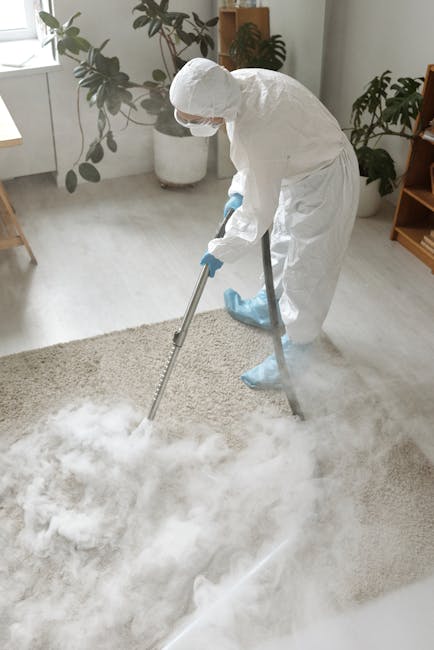
For deeper cleaning, methods such as steam carpet cleaning can help lift embedded dirt, provided it is used with proper heat control, extraction, and drying time. Steam cleaning is effective, but only if it is matched to the right carpet and handled carefully.
Key Benefits and Practical Advantages
When you avoid the usual mistakes, the benefits show up quickly. The carpet looks brighter. It feels cleaner underfoot. Odours are reduced. And the room generally stops feeling a bit flat and tired. In a family home, that matters more than people think. You notice it when you walk in after a rainy commute and the hallway doesn't smell damp or earthy. Nice difference.
There are also longer-term advantages:
- Less wear on fibres: Gentle methods protect the pile and slow visible ageing.
- Better stain removal: The right approach stops stains setting deeper.
- Improved indoor freshness: Proper cleaning helps reduce trapped odours and residue.
- Lower chance of damage: Testing products and avoiding over-wetting protects backing and underlay.
- Longer carpet life: Regular, careful maintenance can delay replacement costs.
For many Wembley households, this is really about value. A carpet is a major part of the room, not a disposable item. Keep it in good shape and the whole home tends to feel more cared for. That's especially true in living rooms and hallways, where the first impression is often the carpet itself.
If your carpet issue is tied to a specific spill or spot, targeted stain removal support may be more appropriate than a full clean. Matching the method to the problem is usually the smarter move.
Who This Is For and When It Makes Sense
This advice is for anyone cleaning carpets in a Wembley home, but it is especially useful if you're:
- dealing with frequent spills from children or pets
- trying to freshen a hallway, lounge, or bedroom carpet
- moving house and want the property to look presentable
- cleaning after a renovation or DIY dust buildup
- trying to remove a stubborn stain without damaging the fibres
- unsure whether to rent equipment or call in help
It also makes sense for people who've had mixed results before. You know the kind of thing: the patch looked fine when it was wet, then dried into a pale ring or a crunchy texture. That's usually a sign the process was a little too aggressive, or the carpet was left with too much residue.
Families with pets often need extra care. Pet accidents are not just about the visible mark; they can sink into the underlay and keep releasing odour. In those situations, a specialist approach such as pet stain odour removal is often more effective than repeated scrubbing with household products.
Step-by-Step Guidance
Here's a practical, no-nonsense way to approach carpet cleaning at home without making the usual errors.
1. Start with a proper vacuum
Loose grit behaves like sandpaper. If you clean over it, you grind dirt deeper into the pile. Vacuum slowly, not just once over. Go in two directions if the carpet is visibly dirty. Yes, it takes a bit longer. Worth it.
2. Identify the stain before choosing a product
Grease, wine, tea, mud, ink, and pet stains all respond differently. A one-product-fixes-everything mindset is where people get into trouble. Some cleaners can set a stain instead of removing it. Always check the type of carpet and the likely stain source first.
3. Test in a hidden area
It's tempting to skip this step. Don't. A hidden patch near the edge or under furniture can reveal colour loss, texture change, or unexpected fibre reaction. If the test patch looks odd, stop there and rethink.
4. Work from the outside in
This helps stop the stain spreading. Blot gently with a clean white cloth or towel. Press, lift, repeat. Do not rub like you're trying to erase a pen mark from school homework. That usually makes things worse.
5. Use only the amount of moisture needed
Carpets dislike soaking. Too much water can push soil into the backing, create long drying times, and leave a damp smell. Light, controlled application is safer than flooding the area and hoping for the best.
6. Remove residue thoroughly
Cleaning product left behind can attract dirt. If you've used a solution, rinse lightly or extract where appropriate, then blot dry. Sticky residue is one of the less visible mistakes, but it matters.
7. Dry the area fully
Open windows if weather allows, use airflow, and keep foot traffic off the area for as long as possible. A carpet that still feels damp hours later is asking for trouble. In humid weather, drying can take longer than people expect.
8. Reassess once dry
Sometimes a stain looks improved while damp but shows a ring or shadow after drying. Check the area the next day. If needed, repeat carefully or consider a specialist method rather than escalating with stronger chemicals.
For a deeper refresh, some households prefer the more structured approach of steam carpet cleaning, while others need support on a related surface like upholstery cleaning if the sofa has been part of the same spill story. Homes have a way of spreading the evidence around.
Expert Tips for Better Results
A few small habits can make a surprisingly big difference.
- Lift solids first. If food or mud is on the carpet, remove it carefully before adding liquid.
- Use white cloths. Coloured fabrics can transfer dye, which is an extra headache you really don't need.
- Keep strokes light. Gentle repeated blotting is often more effective than force.
- Avoid mixing products. Different cleaners can react unpredictably, and the smell alone can get unpleasant.
- Work in small sections. Big ambitious cleaning sessions often end in uneven drying.
- Protect high-traffic areas. Hallways and entrances may need more frequent care than bedrooms.
Another useful tip is to think about the carpet's context. A light cream carpet in a child's playroom needs a different routine from a dark synthetic carpet in a spare room. There isn't a universal fix. Anyone claiming there is probably hasn't dealt with many real-world stains.
If you're cleaning rugs as well as fitted carpet, the same caution applies, but rugs can have extra dye or backing sensitivity. For those, rug cleaning is worth considering when the piece is delicate, valuable, or especially prone to colour bleed.
Common Mistakes to Avoid
This is the section that saves people the most hassle. These mistakes show up again and again in home carpet cleaning, and they're usually easy to avoid once you know what to watch for.
Scrubbing too hard
Scrubbing can fray fibres and spread the stain. It may feel productive, but it often creates a lighter damaged patch rather than a cleaner one.
Using too much water
Over-wetting is one of the fastest ways to create lingering smells, residue, and longer drying times. A carpet should be cleaned, not drowned.
Skipping the vacuum
If dirt and grit remain in the pile, they get disturbed and redistributed during cleaning. It's a small step that has a big effect.
Using the wrong chemical for the fibre
Natural fibres, synthetics, and blended carpets do not all like the same treatment. Strong cleaners can bleach or distort some materials.
Rubbing a stain from the centre outward
This is how stains grow. Always work from the outer edge inward when blotting.
Ignoring drying time
If people walk on the carpet too soon, they can track in fresh dirt and flatten the fibres while damp. Be patient, even if the room is slightly inconvenient for a while.
Not checking for hidden damage
Sometimes a spill has already affected the underlay or backing. If a patch stays damp, smells musty, or keeps reappearing, there may be more going on below the surface.
Trying to fix everything with a stronger product
It's a common trap. If the first cleaner didn't work, the answer is not always "more chemical." Sometimes it's the wrong method entirely.
For heavily soiled areas, a more complete service such as carpet cleaning may be better than repeated DIY attempts. And for furniture that's caught splashes or carried over odour, sofa cleaning may need to be part of the plan too.
Tools, Resources and Recommendations
You do not need a van full of kit to clean carpets properly, but the right basics help a lot.
- Vacuum cleaner with decent suction: Ideally one that handles pile well and removes grit efficiently.
- White microfibre cloths: Good for blotting and less likely to transfer colour.
- Soft brush: Useful for lifting dried debris before cleaning.
- Neutral carpet cleaner: A mild solution is often safer than a heavy-duty formula.
- Clean bucket or spray bottle: Helps control the amount of product used.
- Dry towels: Handy for final moisture removal.
For homes where cleaning is happening across multiple surfaces, it may make sense to coordinate treatment. Curtains can hold odours, mattresses can trap dust, and upholstery can absorb spills. A broader clean can be more efficient than chasing one issue at a time. If that sounds familiar, related services like curtain cleaning and mattress cleaning can support a more complete refresh.
If you're weighing up professional options, it also helps to check pricing, insurance, and service information before booking. You can review pricing and quotes, along with insurance and safety, so you know what to expect. That's just sensible, really.
Law, Compliance, Standards, or Best Practice
For most homeowners, carpet cleaning is a practical maintenance task rather than a regulated process. Even so, there are some sensible UK best-practice points worth keeping in mind, especially if you're hiring help or using stronger cleaning products.
First, use products according to the manufacturer's instructions and keep them out of reach of children and pets. Second, if you're hiring a cleaner, it is reasonable to expect clear information about safety, liability, and what happens if something goes wrong. Third, good providers should be transparent about their terms and how complaints are handled. If you ever need that level of reassurance, pages like terms and conditions and complaints procedure help show how the business is structured.
Health and safety is another sensible consideration. Wet floors, electrical equipment, strong products, and poor ventilation can all create avoidable issues. A provider that takes health and safety policy seriously is usually better prepared for real home conditions, not just ideal ones. And because London homes vary a lot in layout, access, and flooring type, professionalism matters more than flashy promises.
There's also a broader good-practice angle. Some households care about how waste water and disposable materials are handled. If that matters to you, it may be worth looking at recycling and sustainability information before booking.
Options, Methods, or Comparison Table
Different cleaning approaches suit different situations. Here's a simple comparison to help you choose without overthinking it.
| Method | Best for | Strengths | Watch-outs |
|---|---|---|---|
| Spot blotting | Fresh small spills | Fast, low cost, minimal moisture | May not remove deep residue |
| DIY carpet cleaner | Light to moderate soil | Useful for routine upkeep | Risk of over-wetting or residue if used badly |
| Steam carpet cleaning | Embedded dirt and wider refreshes | Good extraction and deep clean potential | Needs proper drying and suitable carpet type |
| Targeted stain treatment | Specific marks or spots | Efficient for isolated problems | Wrong product can set the stain |
| Professional full clean | Busy homes, large areas, stubborn dirt | Consistent process, better equipment, less guesswork | Needs booking and cost consideration |
In practice, the smartest choice is often the least dramatic one. If it's a single recent spill, keep it simple. If the carpet is heavily trafficked or smells stale, go deeper. If you're unsure, ask for guidance rather than guessing. That one decision can save a lot of regret.
Case Study or Real-World Example
Picture a typical Wembley living room on a Sunday afternoon. Tea spills near the sofa. Someone grabs the nearest towel and rubs at it hard. The stain lightens, then spreads. A mild cleaner is added straight away, followed by more water because the patch still looks visible. By the evening, the area feels damp, and by the next morning there's a faint ring and a slightly sour smell.
That's not a disaster, but it is a common chain reaction. The fix would have been more measured: lift the liquid first, blot gently, test the cleaner, apply sparingly, then dry thoroughly with airflow. If the spill had reached the sofa arm or nearby rug, those surfaces should have been treated separately rather than cleaned the same way as the carpet.
In homes like this, a targeted approach often works best. A carpet may need a careful deep clean, the sofa might need upholstery cleaning, and a rug may need specialist handling. One-size-fits-all is rarely the winner. Truth be told, that's where most cleaning frustration starts.
What changed the outcome in similar cases we've seen is not fancy equipment. It's restraint, drying time, and knowing when to stop pushing a stain around.
Practical Checklist
Use this checklist before, during, and after carpet cleaning in your Wembley home.
- Vacuum the area thoroughly first
- Identify the carpet type if you can
- Test any product in a hidden spot
- Blot, do not scrub
- Use minimal moisture
- Work from the outside of the stain inward
- Remove excess product or residue
- Keep the room ventilated
- Allow full drying before walking on it
- Re-check the area once dry for rings or odour
- Escalate to professional help if the stain keeps returning
Expert summary: The best carpet cleaning results usually come from a careful sequence, not force. In Wembley homes, where day-to-day traffic and weather can make carpets work hard, the safest route is often the simplest one done properly. If you stay gentle, test first, and dry thoroughly, you'll avoid most of the expensive mistakes.
Conclusion
Avoid common carpet cleaning mistakes in Wembley homes, and you'll protect both the look and the life of your carpets. That means less damage, fewer repeat stains, and a fresher home overall. The pattern is clear: vacuum first, test products, use the right method, and never rush the drying stage. Small habits make a surprisingly big difference.
If a stain is stubborn, the carpet is delicate, or the room has already had a few failed attempts, it may be smarter to step back and choose a more suitable approach instead of pushing harder. There's no prize for brute force. Just a cleaner carpet, ideally.
Get a free quote today and see how much you can save.
And if you're comparing service options or want to understand the team behind the work, you can also review the company's about us information before making a decision. A little confidence goes a long way when the carpet is on the line.
Frequently Asked Questions
What is the biggest carpet cleaning mistake homeowners make?
The most common mistake is scrubbing too hard or using too much water. Both can spread the stain, damage the fibres, and leave the carpet damp for too long.
Should I vacuum before cleaning a carpet stain?
Yes. Vacuuming removes loose grit and dust so you are cleaning the stain itself, not grinding dirt deeper into the pile.
Why does a stain come back after I clean it?
That usually happens when residue remains in the fibres or backing. As the carpet dries, old soil can rise to the surface and create a ring or shadow.
Can I use washing-up liquid on carpet stains?
Sometimes a tiny amount may help in an emergency, but it is not ideal for regular use. It can leave residue that attracts dirt, so a dedicated carpet cleaner is usually better.
How do I avoid over-wetting my carpet?
Apply cleaning solution sparingly, blot rather than soak, and use dry towels or extraction to remove as much moisture as possible. Good airflow also helps.
Is steam cleaning safe for all carpets?
Not always. Steam carpet cleaning can work very well, but some fibres and backings are more sensitive to heat or moisture. Always check suitability first.
What should I do if a pet stain smells after cleaning?
If the smell remains, the stain may have reached deeper than the surface. Repeated light cleaning may not solve it, and a specialist pet stain approach is often more effective.
How long should a carpet dry after cleaning?
Drying time depends on the method, room ventilation, carpet thickness, and weather. The key is to wait until the carpet feels fully dry before normal foot traffic resumes.
Is it worth hiring a professional cleaner for a small stain?
For a small fresh spill, DIY may be enough. But if the stain is old, delicate, or keeps returning, a professional service can save time and reduce the risk of damage.
What carpets are most likely to be damaged by DIY cleaning?
Natural fibres, delicate rugs, and carpets with unfamiliar dyes or backing tend to be more sensitive. If you are unsure, test first or ask for advice before applying any cleaner.
Do I need to clean sofas and rugs at the same time as carpets?
Not always, but it can make sense if the same spill or odour has spread. Treating connected surfaces together often gives a more consistent result.
What should I check before booking a cleaning service?
It helps to review pricing, safety information, and service terms so you know what to expect. For a straightforward start, look at the available pricing and quotes information and make sure the service matches your carpet type and cleaning needs.