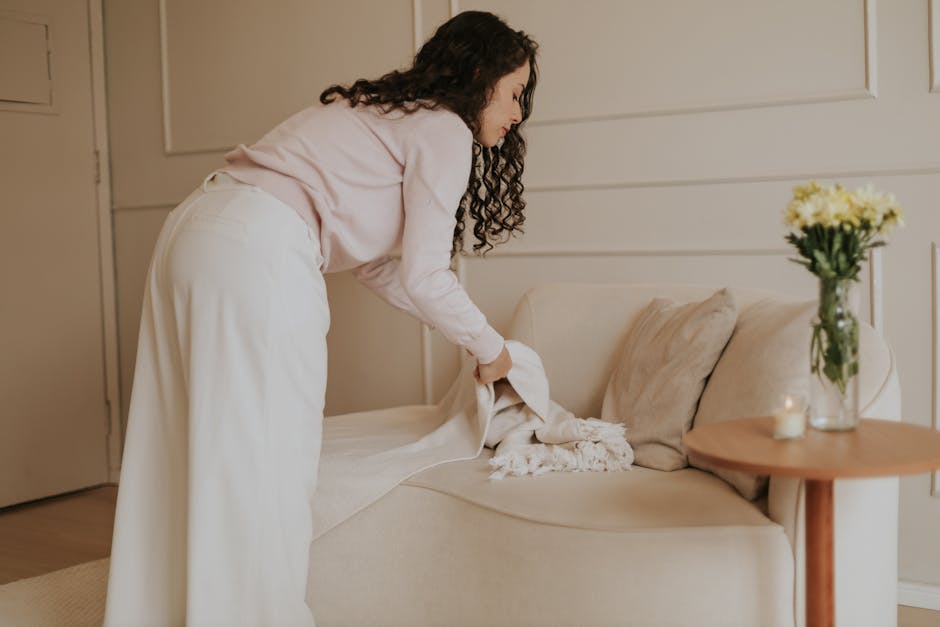
Engineers Way upholstery cleaning insider tips for Wembley flats
If you live in a Wembley flat, upholstery can take a beating faster than you might expect. Narrow hallways, busy shared entrances, pets, takeaways on the sofa, and the general stop-start rhythm of city life all leave their mark. This guide to Engineers Way upholstery cleaning insider tips for Wembley flats is built for that reality: small spaces, real stains, awkward access, and the kind of furniture that has to look good and last. Whether you are trying to freshen a sofa after winter, deal with a stubborn spill, or simply keep your home feeling cleaner for longer, the practical advice below will help.
We will cover how upholstery cleaning works, what makes flat-based cleaning different, the mistakes people often make, and the small details that can save you time and money. You will also find a checklist, a comparison table, and some plain-English best practice guidance that is actually useful. Let's face it, nobody wants a damp armchair smelling worse after "cleaning".
Why Engineers Way upholstery cleaning insider tips for Wembley flats Matters
Upholstery in flats faces a slightly different kind of wear. In a Wembley apartment, there is often less space to move furniture around, less airflow than a house with open doors and windows, and more chance of everyday grime settling into fabric. Even if your sofa looks fine at a glance, dust, body oils, crumbs, pet hair, and invisible residue build up over time. On a sunny afternoon you may notice it most when the light catches the armrest and, suddenly, the "clean enough" sofa looks a bit tired.
This matters for three simple reasons. First, upholstery affects how your home feels. Second, flat living usually means you want cleaning methods that are efficient, quiet, and not too disruptive to neighbours. Third, the wrong cleaning approach can damage fabric, leave marks, or trap moisture inside cushions. That last one is the classic headache. The sofa looks clean, then two days later it smells musty. Not ideal.
There is also the practical side. Well-maintained furniture lasts longer, which is especially useful if you are renting, furnishing a first home, or trying to protect a decent sofa rather than replacing it too soon. If you already keep on top of hard floor cleaning or carpet cleaning, upholstery is the next sensible piece of the puzzle. Clean fabrics make a room feel brighter, and in a flat that effect is bigger than people realise.
Expert summary: In Wembley flats, upholstery cleaning works best when it is gentle, well-planned, and matched to the fabric. Fast drying and careful spot testing matter more than fancy products.
How Engineers Way upholstery cleaning insider tips for Wembley flats Works
Most professional upholstery cleaning follows a fairly straightforward process, but the details matter. The cleaner first identifies the fabric type, checks for damage, and looks at the stain pattern. That is not just box-ticking. Different upholstery reacts very differently to moisture, heat, agitation, and chemicals. A cotton blend does not behave like velvet, and a synthetic sofa can often tolerate more than a delicate weave.
In a flat, the process often starts with access planning too. Can the machine be carried up the stairs or into a lift? Is there enough room to work around the sofa without blocking the hallway? Will drying be slowed by poor ventilation? These are small questions, but they shape the result. You do not want technicians squeezing around a coffee table with no space to turn. It gets messy fast.
The cleaning itself may include vacuuming, dry soil removal, pre-treatment of spots, gentle agitation, extraction or low-moisture cleaning, and then controlled drying. Some fabrics benefit from hot water extraction, while others need a more delicate approach. If you are also dealing with a rug or dining chairs, it can make sense to coordinate with rug cleaning or sofa cleaning so the whole room feels consistently fresh rather than half-done.
For flat residents, airflow is often the hidden variable. Open windows help, but in some buildings, especially during colder or wetter months, drying can take longer. A careful cleaner will account for this. A rushed clean? That is where problems start.
Key Benefits and Practical Advantages
People usually think upholstery cleaning is about appearance, but the practical benefits go beyond looks. In everyday terms, you get a fresher room, better fabric life, and less lingering odour from food, pets, and general living. In a small Wembley flat, that can make a noticeable difference. The whole place feels more open. Lighter somehow.
- Improved appearance: Colours look more even and fabric texture stands out again.
- Better indoor freshness: Cleaning removes the stale, lived-in smell that creeps into soft furnishings.
- Longer furniture lifespan: Dirt acts like sandpaper over time, wearing fibres down.
- Reduced allergy triggers: Regular care can help reduce dust and pet hair build-up, though it is not a medical treatment.
- Better rental presentation: Handy before inspections, move-outs, or guest stays.
- More comfortable living: Clean upholstery simply feels nicer to use. No mystery about that.
There is also the money angle. A decent sofa is not cheap, and replacing chairs or dining seating every few years because of avoidable grime is a waste. If you are comparing professional help, the pricing and quotes page is a sensible place to start, because you can check what is included before making assumptions. And yes, assumptions are where jobs tend to go sideways.
Who This Is For and When It Makes Sense
This advice is useful for a few very different kinds of flat residents. Maybe you rent near Engineers Way and want the place inspection-ready. Maybe you own a family flat and the sofa has picked up snack crumbs, pet smells, and that odd patch where someone once sat with wet jeans. Or perhaps you manage a furnished rental and want a practical maintenance routine that does not involve replacing upholstery every time a tenant moves out.
It also makes sense if:
- you have a fabric sofa, armchair, dining chair, or footstool that gets daily use;
- you live with children or pets;
- you notice odours after rain, heating season, or longer periods with closed windows;
- you spill drinks or food more often than you would like to admit;
- you are preparing for guests, a tenancy check, or a property sale;
- you want a deeper clean than a quick vacuum can provide.
Sometimes the trigger is obvious. Other times it is a gradual thing. The armrest gets a bit shinier, the cushions lose their bounce, and the room starts to feel heavy. That is usually the moment to act, not six months later when stains have settled in properly.
If your concern is broader than upholstery alone, a combined approach with steam carpet cleaning or stain removal may be more efficient than tackling each issue separately.
Step-by-Step Guidance
Here is a practical way to approach upholstery cleaning in a Wembley flat without making it harder than it needs to be.
- Identify the fabric first. Check any care label, but treat it as guidance rather than a magic answer. If the label is missing, be cautious. Velvet, linen blends, microfibre, and synthetic weaves all need different handling.
- Vacuum properly. Use the upholstery tool and get into seams, under cushions, and around buttons. A quick pass is not enough. Crumbs and grit hide in sneaky places.
- Test a hidden area. Before using any solution, test on a small patch at the back or underneath. Wait for it to dry. If you skip this step, you are taking a gamble with the colour and texture.
- Pre-treat stains carefully. Dab, do not scrub. Work from the outside of the stain inward. Scrubbing tends to spread the mark and rough up the fibres.
- Use the least aggressive method that works. Many fabrics respond well to low-moisture cleaning. More water is not always better. In flats, too much moisture can linger and cause odour.
- Control the drying process. Open windows where possible, increase airflow, and avoid sitting on the furniture too soon. If cushions feel cool and slightly damp, give them more time.
- Finish by reshaping cushions. Fluff them, rotate them, and keep them apart a little while drying. It helps them hold their shape and prevents flat spots.
A small but useful tip: if your flat has poor airflow, start the clean earlier in the day. Early afternoon often gives you a better drying window than late evening, especially in winter when the place cools down fast. Tiny thing, big difference.
Expert Tips for Better Results
Here is where a lot of people save themselves trouble. The best upholstery cleaning results often come from restraint and timing, not from using the strongest product in the cupboard.
- Do not over-wet seams and stuffing. The surface may dry quickly while the inner padding stays damp. That is where smells start.
- Use white cloths for blotting. Coloured cloths can transfer dye, especially on pale fabric.
- Work in sections. A sofa is easier to manage if you clean one cushion or arm at a time.
- Keep a dusting routine between deep cleans. Soft brushing and vacuuming reduce the amount of dirt that gets ground into the fibres.
- Deal with spills quickly. The first ten minutes matter more than people think.
- Ask about fabric suitability before any machine clean. Some materials need dry techniques or very light moisture only.
A good cleaner will also think about the room itself. If there is a radiator nearby, a large window, or a cramped corner where air barely moves, that affects the job. In our experience, the smartest upholstery cleaning is not the flashiest one. It is the one that leaves the room comfortable again without any awkward after-effects.
And if pet odours are part of the issue, you may need a separate approach. Surface cleaning can improve smell, but embedded pet contamination sometimes needs targeted treatment. That is where pet stain odour removal becomes more relevant than a general clean.
Common Mistakes to Avoid
Most upholstery problems after cleaning come from simple mistakes, not bad luck.
- Using too much water: It is one of the fastest ways to create new odours or water rings.
- Rubbing stains aggressively: This can drive the stain deeper and fuzz the fabric.
- Ignoring the label or fabric type: A one-size-fits-all method is risky.
- Skipping the vacuum stage: Loose grit gets turned into sludge once moisture is added.
- Drying too slowly: If cushions stay damp for hours on end, trouble follows.
- Spraying random products together: Mixing cleaners is not clever. It is messy and can be unsafe.
One more common slip: cleaning only the visible stain and leaving the surrounding area untouched. That creates a tidy-looking patch on an otherwise dull sofa. It is a bit like washing one tile in a kitchen floor. Technically clean, visually odd.
If a stain is old or unusual, do not keep attacking it with stronger and stronger products. That is usually the point where people make the stain larger. A better option may be professional upholstery care or a broader stain removal treatment.
Tools, Resources and Recommendations
You do not need a shed full of kit to keep upholstery in good order. A few sensible tools cover most everyday needs.
| Tool or approach | Best for | Why it helps | Watch out for |
|---|---|---|---|
| Upholstery vacuum attachment | Routine maintenance | Removes dust, crumbs, and pet hair from seams and creases | Using too much suction on loose weave fabrics |
| White microfibre cloths | Blotting spills and spot work | Reduces colour transfer and helps you see what is lifting out | Scrubbing instead of blotting |
| Soft upholstery brush | Loosening surface soil | Gently lifts dirt before vacuuming or treatment | Over-brushing delicate fabric |
| Low-moisture or extraction equipment | Deeper cleans | Can lift embedded grime more effectively than hand cleaning | Too much moisture in flats with poor ventilation |
| Fabric-safe pre-spray | General soil and light staining | Breaks down residues before cleaning | Always test first on a hidden area |
For people who want the job handled properly, professional upholstery cleaning is usually the more efficient route, especially when the furniture is bulky or the fabric is delicate. You can compare service details on the upholstery cleaning page, and if you like to understand the company background first, the about us page is worth a look too. Trust matters with home services. It just does.
If you are also worried about how payment is handled, it is reasonable to check payment and security before booking. That is not being fussy. That is being sensible.
Law, Compliance, Standards, or Best Practice
For home upholstery cleaning, the most useful standard is not a single law or rulebook, but a combination of good practice, care-label awareness, and sensible safety habits. In the UK, households and service providers are expected to take ordinary precautions with cleaning chemicals, electrical equipment, and wet surfaces. That sounds basic because it is basic, but basic is what keeps jobs safe.
If you are hiring a company, it is fair to ask about insurance, training, and what happens if a fabric reacts badly. A reliable provider should be open about limitations and should not overpromise. The same goes for health and safety procedures. If a cleaner is carrying equipment through shared areas, they should avoid creating slip hazards or blocking exits. For more on that, the company's health and safety policy and insurance and safety information are useful reference points.
There is also a practical tenancy angle. If you rent, cleaning expectations can vary by agreement, so it is sensible to check your paperwork. That is where the terms and conditions can help set expectations before the work starts. No one likes confusion after the fact, especially over something as ordinary as a sofa clean.
And while upholstery cleaning is not usually about regulation-heavy compliance, a trustworthy business should still be transparent about complaints handling, accessibility, privacy, and sustainability. Those things do not clean a sofa, obviously, but they do tell you a lot about how the business is run.
Options, Methods, or Comparison Table
Different upholstery cleaning methods suit different flats and different fabrics. If you pick the wrong one, you may get a half-decent surface result and a frustrating finish underneath.
| Method | Best for | Pros | Cons |
|---|---|---|---|
| Vacuum and spot clean | Light maintenance | Quick, cheap, low risk | Won't remove deep soil or set-in stains |
| Low-moisture professional clean | Most flat-based fabric furniture | Fast drying, good balance of cleaning power and safety | Not every stain will lift fully |
| Hot water extraction | Tougher, durable fabrics | Strong deep-clean performance | Higher moisture levels and longer drying time |
| Specialist stain treatment | Old spills, food marks, or localised spots | Targets the actual problem area | May need more than one visit for stubborn marks |
| Combined home refresh | Whole-room improvement | Useful when sofas, rugs, and carpets all need attention | More planning needed |
If the furniture is part of a larger refresh, it can make sense to coordinate with curtain cleaning or even mattress cleaning. That way the whole flat feels reset instead of only one item looking bright and the rest still looking tired. Bit of a false economy otherwise.
Case Study or Real-World Example
Imagine a standard Wembley flat with a three-seat fabric sofa, a couple of dining chairs, and a rug near the living area. The sofa has a faint food mark on one cushion, pet hair along the front edge, and a dull patch on the armrests from daily use. Nothing dramatic. Just normal life.
The smart approach would be to vacuum thoroughly first, remove loose pet hair with a brush or fabric tool, test a hidden area for colour fastness, and then treat the food mark before cleaning the rest of the sofa evenly. The dining chairs would be checked for different fabric behaviour, because chair fabric is often thinner and can react faster than sofa upholstery. The rug nearby might be cleaned separately so dirt is not simply transferred from one surface to another. That is where combining services can be useful, especially if you want the room to feel properly finished.
The biggest improvement in this sort of scenario is often not the stain disappearing completely. It is the shift in overall freshness. The room smells cleaner, the cushions look less flat, and the fabric no longer draws your eye in a bad way. People notice that immediately, even if they cannot say why. Funny how that works.
For residents who prefer to book a professional service rather than juggling it themselves, the main benefit is control. You get a method matched to the fabric, the right drying approach, and fewer mistakes. If you want to speak to someone directly, the contact us page is the place to start.
Practical Checklist
Use this quick checklist before, during, or after upholstery cleaning in your flat.
- Check the fabric type or care label.
- Vacuum seams, creases, under cushions, and the back edge.
- Test any product in a hidden spot first.
- Remove loose items, throws, and cushions before work begins.
- Keep the room well ventilated where possible.
- Blot spills rather than rubbing them.
- Avoid soaking fabric or padding.
- Allow enough drying time before use.
- Rotate and fluff cushions after cleaning.
- Book a deeper clean before the furniture starts to look visibly worn.
If your aim is long-term care rather than a one-off tidy-up, a cleaner, lighter maintenance routine is usually best. Regular vacuuming, quick spill response, and the occasional professional clean do more than one big rescue job every few years.
Get a free quote today and see how much you can save.
Conclusion
Upholstery cleaning in Wembley flats is really about balance: enough cleaning to remove build-up, not so much moisture or agitation that you create new problems. The best results come from knowing your fabric, planning for limited space, and being patient with drying. That is especially true around Engineers Way, where flat living tends to mean a bit more traffic, a bit less airflow, and upholstery that has to work hard every day.
If you take one thing from this guide, let it be this: do the small things well. Vacuum properly, test first, dry carefully, and do not rush the job. It sounds almost too simple, but that is usually the difference between a sofa that just looks cleaned and one that genuinely feels refreshed. And honestly, that refreshed feeling is lovely when you walk in after a long day.
When you are ready for the next step, compare options, ask sensible questions, and choose the approach that fits your fabric and your flat. Clean upholstery makes a home feel more settled, more breathable, and just a bit easier to live in. Nice little win, that.
Frequently Asked Questions
How often should upholstery be cleaned in a Wembley flat?
For most homes, a light maintenance clean and regular vacuuming are enough between deeper cleans. If you have pets, children, or frequent use, you may need professional upholstery cleaning more often. The right timing depends on how quickly the furniture picks up dirt, odour, and visible wear.
What is the safest way to clean a fabric sofa at home?
Start with vacuuming, then test any cleaning product on a hidden patch. Blot spills gently with a white cloth and avoid soaking the fabric. If the material is delicate or the stain is old, it is better to stop and get advice than to push on and risk damage.
Why do sofas sometimes smell worse after cleaning?
That usually happens when moisture gets trapped inside the cushions or padding. If drying is slow, fabric can develop a musty smell. Good airflow, careful moisture use, and the right cleaning method help prevent that. In flats, this matters even more because ventilation can be limited.
Can upholstery cleaning remove pet odours completely?
Sometimes, yes, but not always. Light odours may disappear with proper cleaning, while deeper contamination may need targeted treatment. Pet smells that have settled into padding or backing material are trickier. In those cases, a specialist approach is usually more effective.
Is steam cleaning safe for all upholstery?
No, not all upholstery is suitable for steam or hot water extraction. Some fabrics are too delicate, and some can shrink, distort, or hold too much moisture. Always check fabric suitability first. If in doubt, a lower-moisture method is often the safer option.
How do I choose between DIY cleaning and professional upholstery cleaning?
DIY is fine for routine maintenance, light marks, and quick spill response. Professional cleaning is usually better for deep soil, stubborn stains, delicate fabric, or large sofas that are difficult to move and dry. If the furniture matters to you and the risk feels high, pay for the safer option. Simple as that.
Will upholstery cleaning help with allergies?
It can help reduce dust, pet hair, and general debris that build up in soft furnishings, which may make the room feel fresher. That said, it is not a medical treatment and will not solve every allergy concern. Regular vacuuming and good housekeeping are still important.
How long does upholstery take to dry in a flat?
Drying time varies by fabric, method, room temperature, and airflow. In a flat with limited ventilation, it may take longer than expected. Opening windows, improving air circulation, and avoiding over-wetting all help. If the weather is damp or cold, drying can feel stubbornly slow.
What should I ask before booking a cleaner?
Ask what cleaning method they use, whether they test fabrics first, how they handle stubborn stains, and how long drying usually takes. It is also sensible to ask about insurance, access, and any preparation needed before they arrive. Good answers usually sound clear and practical, not vague and salesy.
Can upholstery cleaning help before a tenancy inspection or move-out?
Yes, definitely. Clean sofas, chairs, and cushions make a flat feel much better presented. That can be especially useful for furnished rentals or homes being handed back to a landlord. It will not fix every issue, of course, but it does remove one obvious source of concern.
How much preparation do I need to do before a cleaning visit?
Usually not a huge amount. Remove clutter, valuables, loose throws, and anything blocking access to the furniture. If the cleaner needs space to work around a sofa in a small room, clearing the area makes the job smoother. A few minutes of prep saves everyone a headache later.
What if my sofa has an old stain that keeps coming back?
That is often a sign that the stain has soaked deeper than the surface. Sometimes it resurfaces as the fabric dries, which can be frustrating. Re-treatment may help, but if the mark keeps returning, it may need a more targeted approach rather than repeated surface cleaning.